
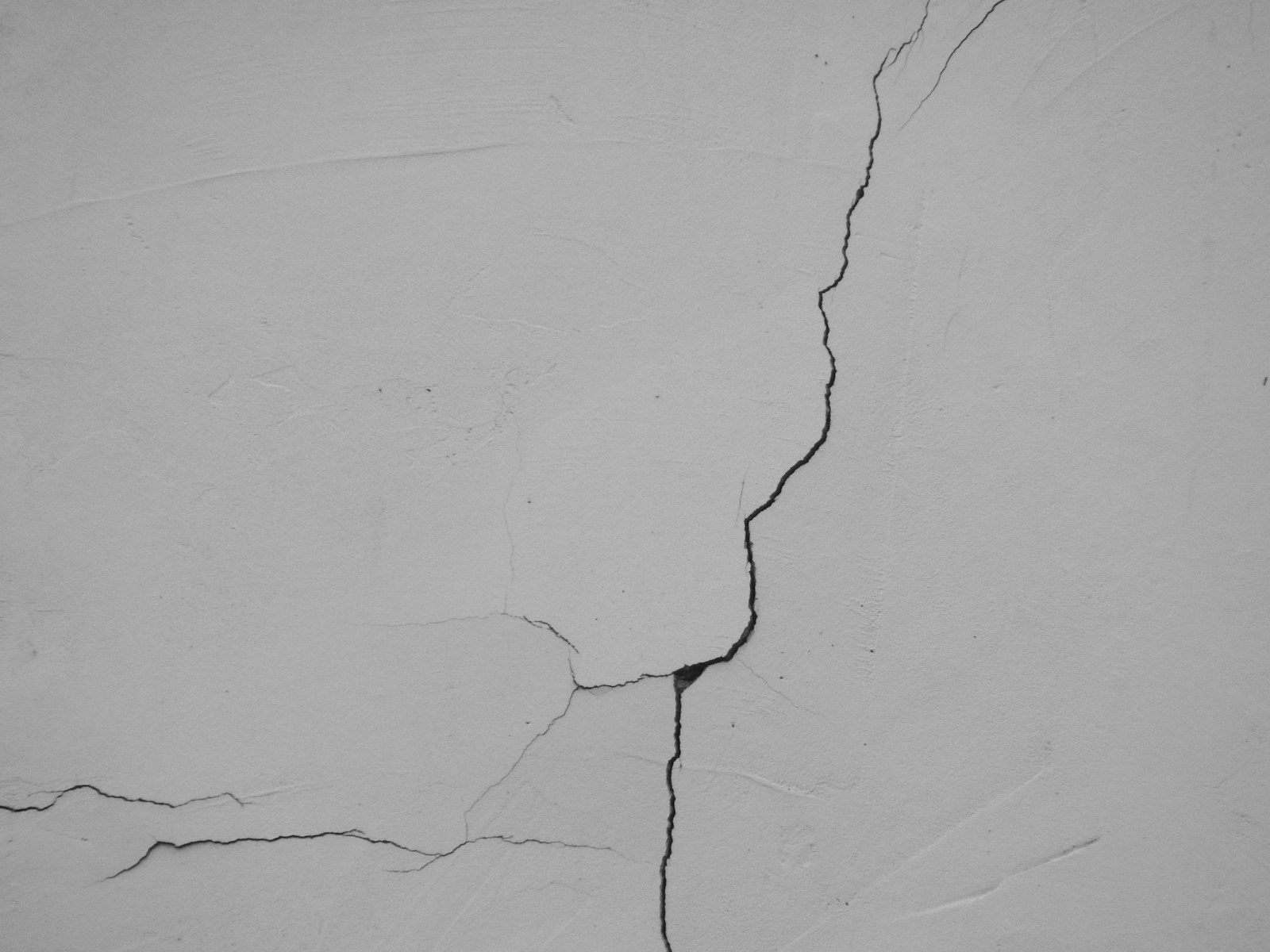
Cracked stucco catches a lot of homeowners’ attention since it is highly visible, right there on the exterior for anyone to see, though understanding what different types of cracking actually indicate helps put this specific finding into proper, accurate perspective.
Why Not All Stucco Cracking Means the Same Thing
Fine, hairline cracks following a roughly random or web-like pattern across a stucco surface are extremely common and generally represent normal cosmetic aging rather than any structural concern, essentially the stucco equivalent of a building settling slightly over time in an entirely typical, expected way.
Larger, more significant cracks, particularly ones running in a consistent diagonal direction, widening noticeably at one end, or accompanied by visible separation from the underlying wall surface, suggest something more significant may be happening, sometimes related to genuine structural movement rather than simple surface aging.
What We Actually Look For During Evaluation
We examine crack width, pattern, and location carefully, since these characteristics tell a considerably more useful story than simply noting that cracking exists somewhere on the exterior. A crack radiating diagonally from a window or door corner, for instance, sometimes indicates genuine structural settling in a way that random, fine surface cracking elsewhere on the wall typically does not.
We also check whether cracking correlates with any interior signs, cracks in interior walls in the same general area, doors or windows that stick, which together provide a more complete picture than exterior stucco condition viewed in isolation.
How This Actually Gets Priced
Cosmetic-only cracking, the common, fine, web-like pattern found on many homes with aging stucco, typically gets priced as a relatively minor repair, patching and re-coating the affected areas, a modest line item in our overall evaluation.
Cracking suggesting genuine structural movement gets treated considerably more seriously, sometimes prompting a recommendation for a structural engineer’s assessment before we can accurately price this specific issue, similar to how we approach any finding that might indicate a foundation-related concern requiring more expert evaluation.
Why Stucco Specifically Tends to Show Age More Visibly
Stucco is a relatively rigid material that shows minor building movement more readily than some other exterior materials might, meaning a certain amount of fine cracking over the years is genuinely normal and expected, rather than automatically indicating a problem worth significant concern.
This is worth understanding specifically because stucco’s visible nature sometimes causes homeowners more worry than the underlying situation actually warrants, when in reality most stucco cracking we encounter falls into the cosmetic, non-structural category.
What Homeowners Can Do Before We Arrive
If you have had any previous evaluation of cracking on your property, whether from a contractor, an inspector, or a structural engineer, sharing that documentation helps us evaluate accurately, particularly valuable if that previous assessment already concluded the cracking was cosmetic rather than structural in nature.
How This Connects to Other Exterior Signals
A sinking driveway represents a related category worth understanding alongside stucco cracking, both are visible exterior conditions that sometimes cause more homeowner worry than the underlying situation actually warrants, once properly evaluated by someone who understands what different patterns and severities genuinely indicate.
Approaching This Finding Without Unnecessary Worry
Cracked stucco, in the significant majority of cases we evaluate, reflects normal cosmetic aging rather than a significant structural concern, and we would rather walk you through exactly what we are seeing and why, than let this highly visible but usually minor issue create more anxiety than the actual situation genuinely warrants.
Leave a Reply