
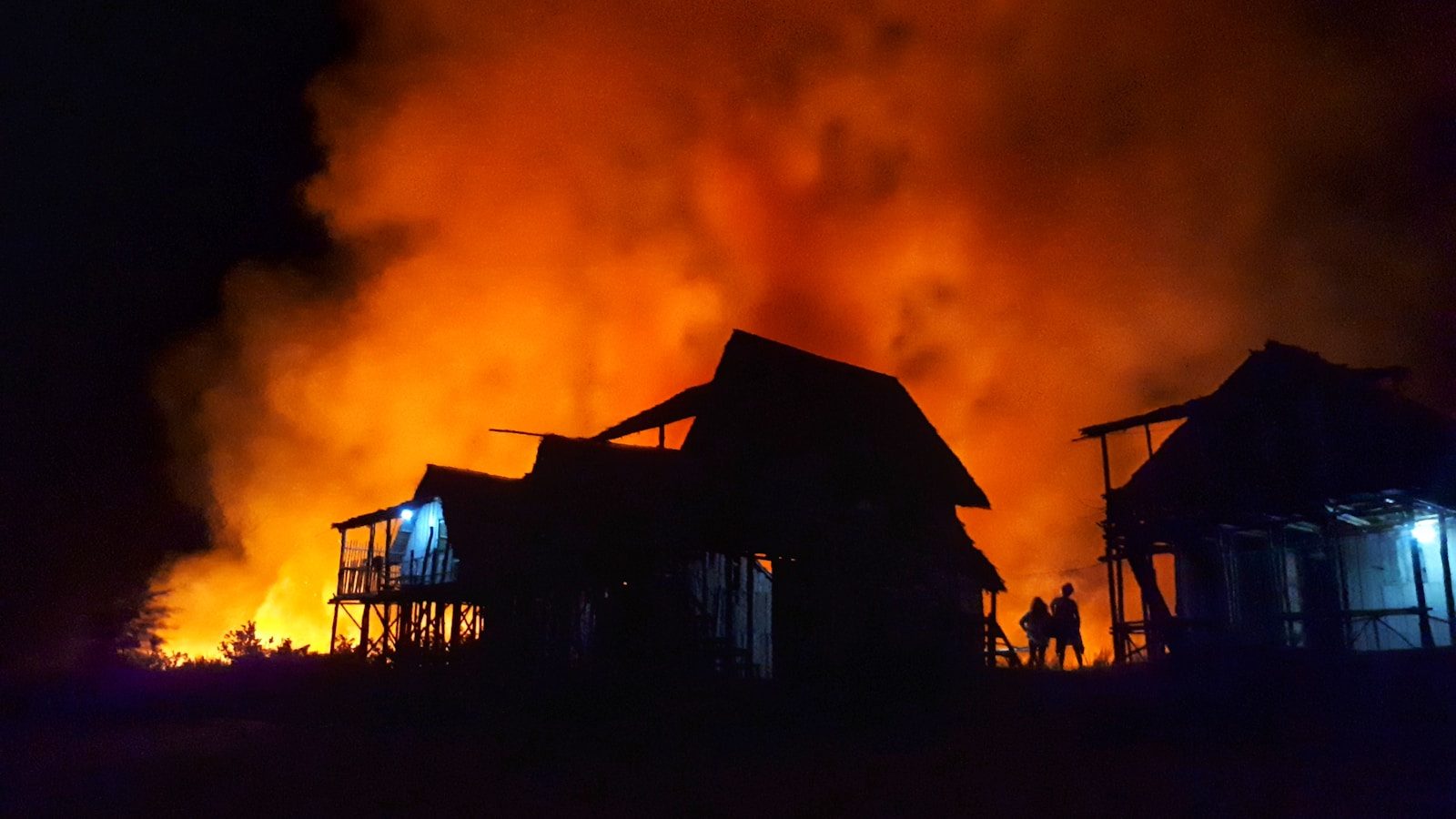
We have taken calls from homeowners standing in flooded basements, staring at a scorched roofline, or looking at a home nobody could safely live in anymore after a storm came through. It is never an easy call to make, and there is rarely a good time for it. We have learned a few things about how these situations actually play out that are worth sharing plainly.
The First Few Weeks Are Chaos, and That Is Normal
Right after a disaster, everything feels urgent and nothing feels clear. Insurance adjusters, contractors, FEMA paperwork if it applies, all competing for attention at once, often while a family is also dealing with temporary housing and simply processing what happened. We do not push anyone to make a decision fast in this window. We have learned that homeowners in this stretch need information more than they need pressure.
What We Actually Look At
A damage assessment, whether from your insurer or an independent contractor, gives us a real picture of scope. We use that to understand what a rebuild or repair would genuinely cost, then factor that into an offer the same way we would any other significant repair, just at a larger scale.
This is different from how a traditional buyer approaches a damaged property. A financed buyer’s lender typically will not approve a mortgage on a home that is not currently livable, which eliminates most of the traditional buyer pool immediately. We do not have that restriction, since there is no lender standing between our offer and closing.
Insurance Claims Move on Their Own Timeline
We have seen insurance claims resolve in a matter of weeks, and we have seen them drag on for the better part of a year, particularly after a widespread event when adjusters are stretched thin across an entire region. We do not require a claim to be fully settled before we make an offer, and in some cases, we have structured a sale so the remaining claim transfers to us as part of the deal, which takes that whole process off the homeowner’s plate entirely.
Every situation here is different enough that we handle it case by case, and we would rather walk through your specific claim status directly than give a generic answer that does not actually apply to what you are dealing with.
Why Some Homeowners Choose to Sell Rather Than Rebuild
Rebuilding takes months, sometimes longer than a year for extensive damage, and it requires managing contractors, permits, and a construction timeline on top of everything else already going on. Some families have the capacity for that. Plenty do not, especially if they are also displaced and paying for temporary housing during the rebuild.
We have worked with families who simply wanted to close this chapter and move forward, taking a cash offer that accounted for the damage rather than spending a year of their life managing a reconstruction project on a house they were not even sure they wanted to return to.
What This Means for Insurance Going Forward
What to do with a house you cannot afford to insure connects directly here, since a home that has survived one disaster, or sits in an area with elevated risk, often faces sharply higher premiums or even outright coverage denial afterward, a factor that shapes a lot of these decisions well beyond the immediate rebuild question.
Moving at Your Own Pace
We are not going anywhere, and neither is the offer once we have made it, within reason. If you need a few weeks to sort through insurance details before deciding anything, that is completely fine. If you are ready to move forward the day we walk the property, that works too.
What We Have Learned From These Situations
Every disaster situation we have handled has been different, different damage, different insurance company, different family circumstances. What stays consistent is that people in this situation need clear, honest information more than they need someone rushing them toward a decision. That is what we try to provide, whatever you end up deciding to do with the property.
Leave a Reply