
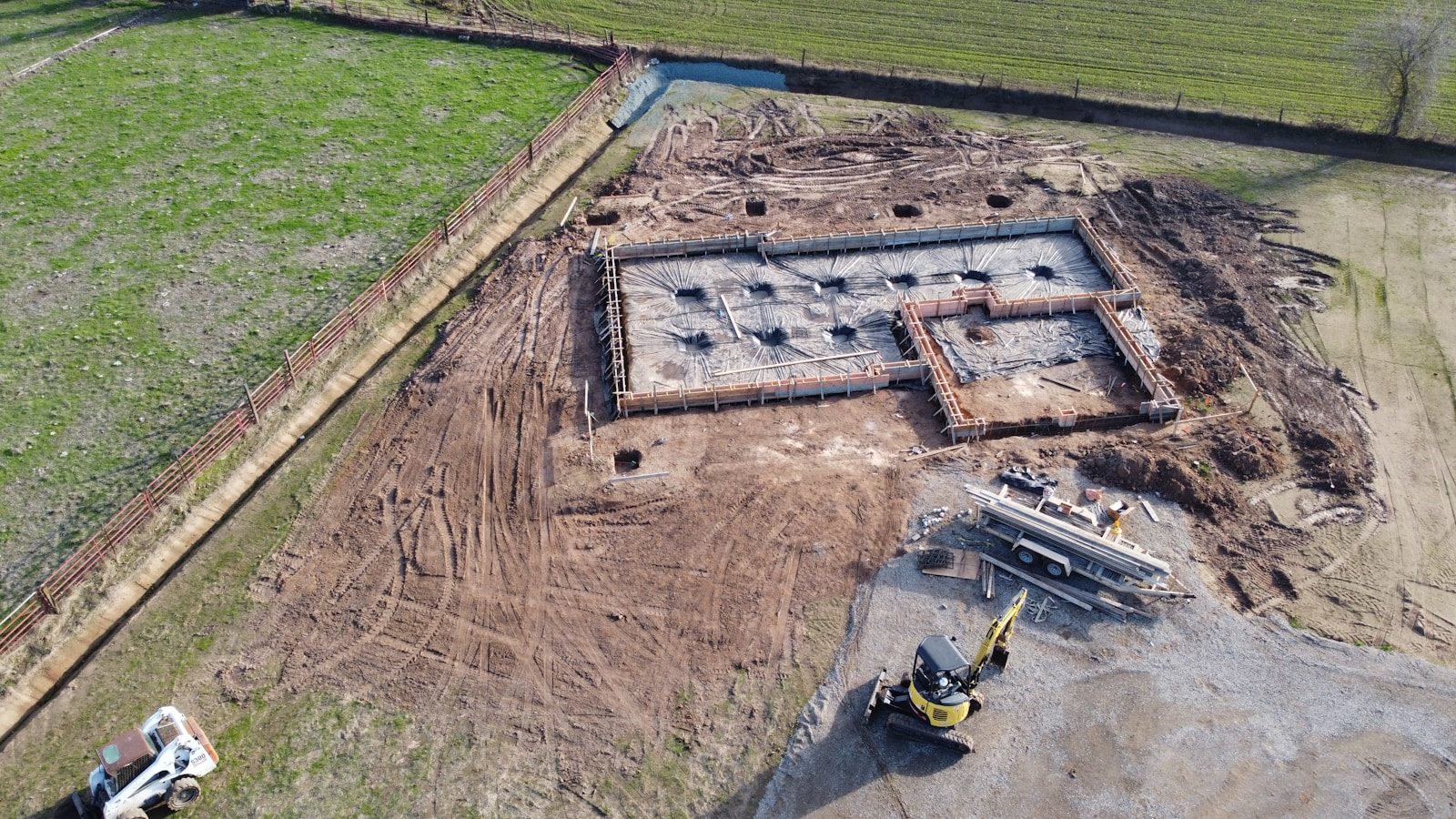
Foundation issues cause more anxiety than almost any other repair category, and for good reason, since the range of possible costs is genuinely wide and the wrong assumption in either direction can be expensive. Here is how we actually approach this specific issue, step by step.
Why This Category Gets Priced So Conservatively
Unlike a roof or an HVAC system, where the scope of a problem is usually visible and fairly predictable, foundation issues can range from a purely cosmetic hairline crack that needs nothing more than sealing, to a genuine structural concern requiring underpinning that runs well into five figures. Because that range is so wide, and because the cost of underestimating a real structural problem is high, we err toward caution until we know more.
This caution is not us trying to lowball anyone. It reflects genuine uncertainty that only a proper inspection can resolve, and we would rather price conservatively upfront and adjust once we have real information than guess low and have the number change later in a way that feels like a bait and switch.
What We Actually Do During Evaluation
Visible cracking, uneven floors, doors and windows that stick or no longer close properly, and any visible separation between walls and ceilings all get noted during our initial walkthrough. From there, anything beyond a clearly cosmetic hairline crack typically gets a specialist review before we finalize that portion of the offer.
This specialist visit usually happens within a few days and does not significantly delay the overall timeline, though it does mean the final number on a property with real foundation concerns sometimes takes slightly longer to lock in than one without any structural questions at all.
What Drives the Actual Cost Once We Know More
Minor crack sealing on the low end might run a few hundred to a couple thousand dollars. Moderate settling requiring piering or slab jacking climbs considerably higher, often into five figures depending on the extent of the work needed. Serious structural compromise requiring extensive underpinning represents the top of the range, and thankfully the least common outcome we actually encounter.
Soil conditions in your specific area also factor in here. Certain soil types, particularly expansive clay that swells and contracts with moisture changes, are simply more prone to causing foundation movement over time, regardless of how well a house was originally built.
Why a Specialist Opinion Genuinely Helps You Too
A structural engineer’s assessment protects both sides of the transaction. It gives us accurate information to price the offer correctly, and it gives you, as the homeowner, real documentation about your property’s actual condition, useful regardless of whether you end up selling to us or exploring other paths entirely.
If you already have a recent structural assessment or repair quote, sharing it upfront speeds up our entire process considerably and often results in a more accurate initial offer rather than a conservative placeholder number that gets adjusted later.
When the Estimate Feels Too High
Foundation-related deductions are also the ones we hear the most pushback on, understandably, since the dollar amounts involved are significant. What happens when a repair estimate feels too high walks through exactly how to raise that concern productively, including what kind of documentation actually shifts a number and what generally does not.
The Reassurance Worth Repeating
A foundation issue does not disqualify your property from an offer. It simply means that specific line item takes a bit more care to price accurately, and we would rather take that extra step than either overprice the risk unfairly or underprice it and create a problem for ourselves down the line.
Leave a Reply