
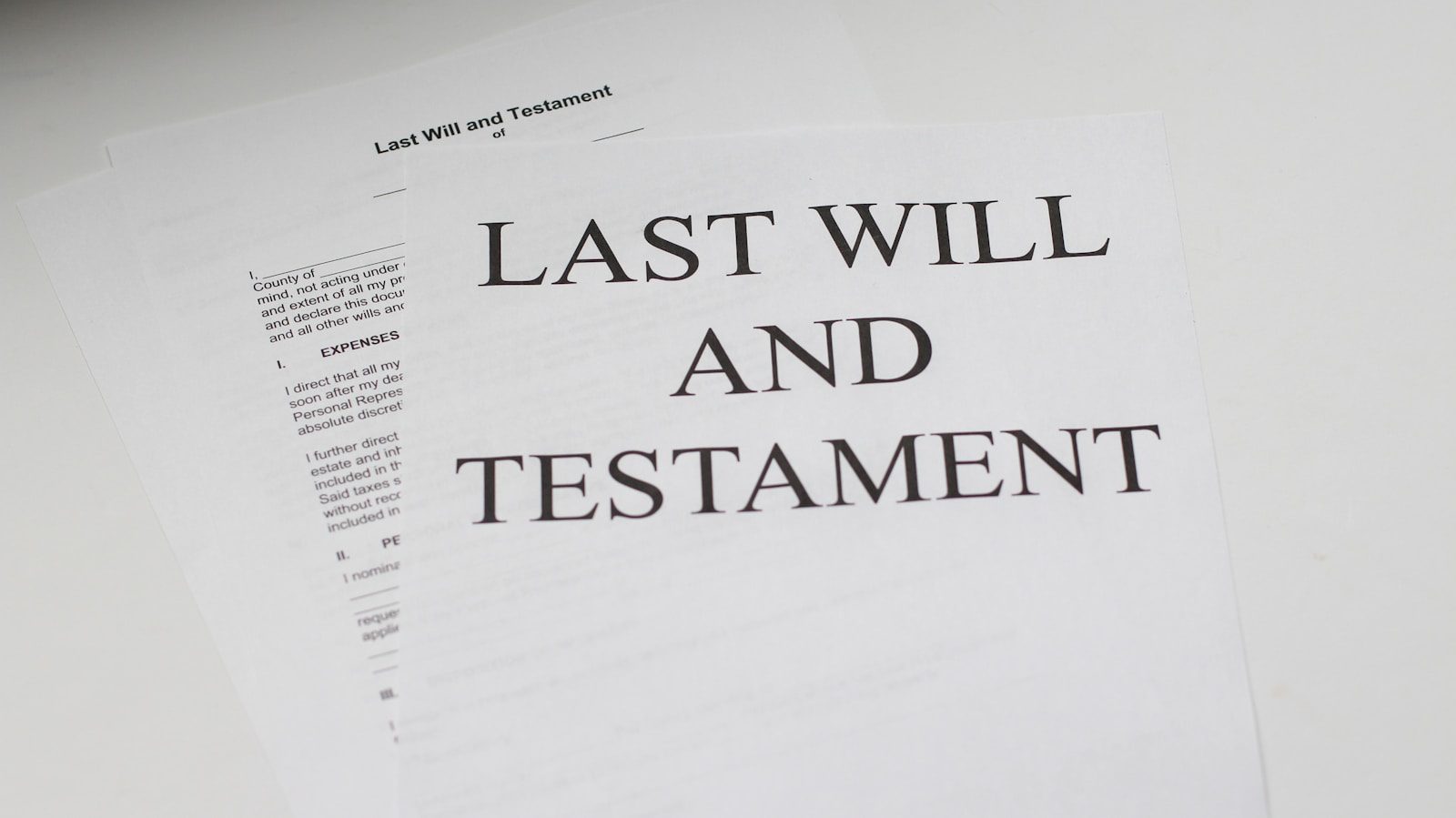
A contested will freezes almost everything related to a property, and the uncertainty this creates is often harder on a family than the property itself. We have watched this play out enough times to explain honestly what actually happens and what your options genuinely look like while it is underway.
What “Contested” Actually Means
A will gets contested when someone with legal standing, usually an heir or a beneficiary named in a previous version of the will, formally challenges its validity in court. Common grounds include claims that the deceased lacked mental capacity when the will was signed, that someone exerted undue influence over its contents, or that the document itself was not properly executed according to state requirements.
This is a formal legal process, not simply a family disagreement. It requires filing an actual legal challenge, and it puts the entire estate, including any real property, in a kind of legal limbo until the matter gets resolved.
Why Nothing Can Move Forward During This Period
While a will is under formal contest, an executor typically cannot distribute assets, including selling property, until the court resolves the dispute. This protects everyone’s interests, since selling a house before ownership is legally settled could create serious complications if the contest changes who is entitled to what.
This period can last anywhere from a few months to well over a year, depending on how complex the contest is and how backed up the specific court handling it happens to be. Complex cases involving competing expert testimony about mental capacity, for instance, tend to stretch on considerably longer than more straightforward disputes.
What This Means Practically for the Property
The house still needs basic upkeep during this entire period, insurance staying active, utilities not lapsing, general maintenance continuing, even though no sale can move forward. Someone, usually the named executor or a family member with informal authority, typically handles these practical matters while the legal question gets sorted out in the background.
We have talked with families managing a vacant property for the better part of a year during a contest, worried about deterioration or a break-in the whole time, with genuinely limited ability to do anything more permanent about it until the legal matter resolved.
What You Can Actually Do While Waiting
Requesting a property valuation, even while a contest is ongoing, is entirely reasonable and does not require legal authority to sell. This gives whoever eventually does gain that authority, however the contest resolves, useful information to act on quickly once they are legally able to move forward.
We are glad to evaluate a property in this situation and provide a number, with the clear understanding that no sale can happen until the legal question resolves. Having that information ready in advance often speeds up the eventual process considerably once everything clears.
How Contests Typically Resolve
Most will contests end in one of a few ways, the original will gets upheld as valid, a settlement gets reached between the disputing parties, or in some cases a different version of the will or the state’s default inheritance rules end up governing the estate instead. Selling a home after a sudden death in the family covers the broader emotional and practical territory here as well, since a contested will often compounds an already difficult grieving process with legal uncertainty layered on top.
Getting Through This Period
There is genuinely not much to do but wait once a contest is formally filed, though staying in touch with the estate attorney handling the matter keeps you informed of any movement. We are happy to stay in the loop as well, ready to move quickly once there is legal clarity, without adding any pressure while that clarity is still pending.
Leave a Reply