
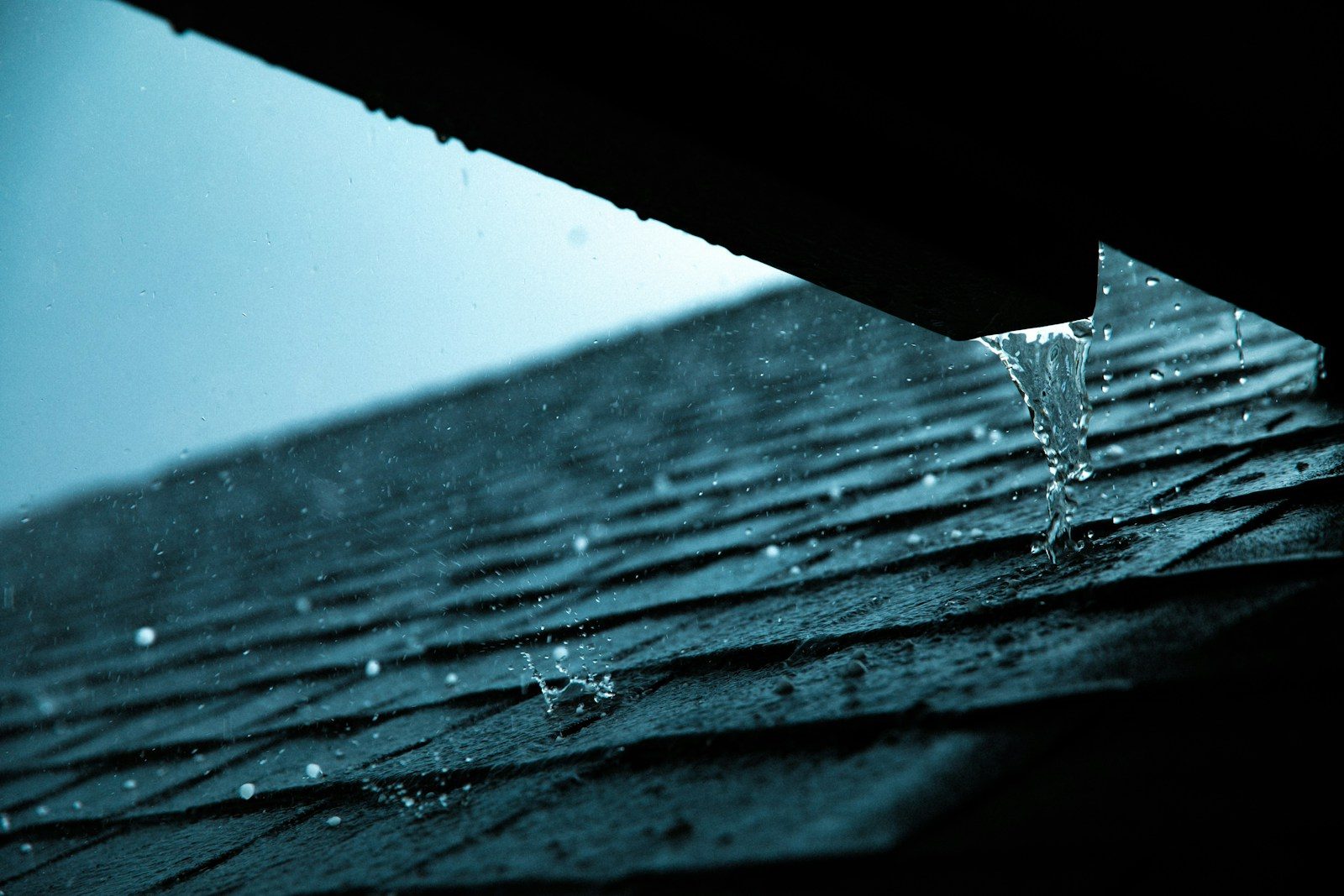
A roof valley, the internal angle where two roof slopes meet, is one of the most common places we see leaks originate, and understanding why this specific area fails so often helps explain how we actually price this issue when we find it.
Why Valleys Are Particularly Prone to Leaking
A roof valley channels a disproportionate amount of water compared to a flat section of roof, since rain from two separate slopes funnels directly into this single, narrow channel. This concentrated water flow puts more stress on the valley’s flashing and underlying materials than almost any other part of a typical roof.
Valley flashing, the metal or specialized material lining this channel, can deteriorate, corrode, or become improperly sealed over time, particularly if it was not installed correctly in the first place or has simply aged beyond its functional lifespan.
What We Look For During Evaluation
We check for visible signs of valley deterioration, rusted or corroded flashing, missing or displaced shingles along the valley edge, and any interior signs of water intrusion in the areas directly beneath a valley, ceiling stains or damage concentrated in a pattern matching the valley’s location above.
We also consider the valley’s overall age relative to the rest of the roof, since a valley can sometimes fail before the broader roof surface does, given the concentrated stress this specific area experiences compared to flatter sections.
How This Gets Priced Differently From a Full Roof Replacement
A valley-specific leak does not necessarily mean the entire roof needs replacement. If the broader roof surface is otherwise in reasonable condition, repairing or replacing just the valley flashing and immediately surrounding materials is often a considerably smaller, more contained repair than full roof replacement would represent.
This distinction matters, since we price based on what actually needs addressing rather than automatically assuming a full roof replacement whenever any roofing issue appears, a valley-specific repair genuinely costs less and gets reflected as such in our evaluation.
When a Valley Issue Signals a Larger Problem
If valley deterioration has been ongoing for a significant period without repair, water intrusion sometimes extends beyond the valley itself, affecting underlying decking, insulation, or interior finishes, which shifts this from a contained roofing repair into a broader repair encompassing both the roof issue and whatever secondary damage resulted from prolonged, unaddressed leaking.
This is exactly why we look closely at interior signs alongside the exterior roof condition, since the true scope of a valley leak sometimes extends considerably further than what is visible from a roof inspection alone.
Why Documentation Helps Considerably Here
If you have had a roofer previously assess or repair a valley issue, sharing that documentation helps us understand whether this is a known, already-addressed problem or something that has gone unaddressed, information that meaningfully affects how we price this specific line item.
How This Connects to Broader Water Damage Evaluation
Water damage and an offer covers the broader principles we apply here as well, since a valley leak is really just one specific, common source of the water intrusion issues we evaluate more generally, the same underlying logic about source, severity, and resolved-versus-ongoing status applies directly to this specific situation too.
Getting an Accurate Assessment
A leaking valley is a common, well-understood roofing issue with fairly predictable repair costs once we understand the actual scope involved, and we would rather take the time to distinguish a contained valley repair from a more extensive problem than apply a generic, overly conservative estimate that does not reflect what your specific roof actually needs.
Leave a Reply